


-

Add: HeBei ShengShi HongBang Cellulose Technology CO.,LTD.
-

Email
13180486930@163.com -

CONTACT US
+86 13180486930

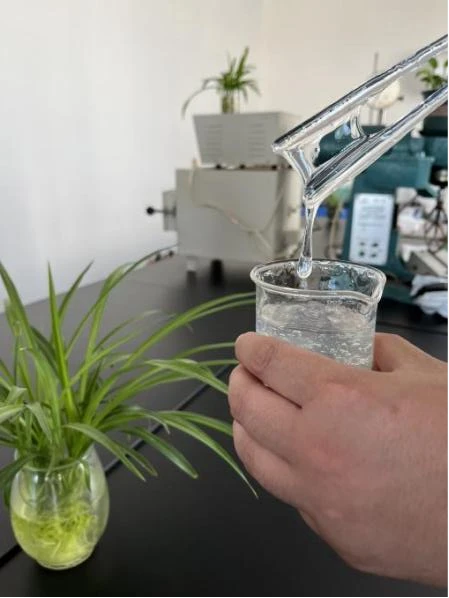


Polypropylene fiber is a key solution in the manufacturing industry, specifically within Manufacturing of building materials and Concrete admixture. This article explores how HeBei ShengShi HongBang Cellulose Technology CO.,LTD. supports professionals with durable, high-performance products, and explains why this product is an ideal choice for businesses in these sectors. Table of Contents Polypropylene Fiber Overview Benefits & Use Cases of Polypropylene Fiber in Concrete Admixture Cost, Maintenance & User Experience Sustainability & Market Trends in Manufacturing Conclusion on Polypropylene Fiber from HeBei ShengShi HongBang Cellulose Technology CO.,LTD. Polypropylene Fiber Overview In the dynamic realm of modern construction and infrastructure, the integrity and longevity of building materials are paramount. This is where polypropylene fiber emerges as a crucial additive, significantly enhancing the performance of concrete. As a microfiber synthetic solution, it plays a vital role across the entire manufacturing supply chain, particularly within the Manufacturing of building materials sector, and more specifically in Concrete admixture applications. These fibers are meticulously engineered to disperse uniformly throughout the concrete matrix, acting as a microscopic reinforcement system. When mixed into fresh concrete, pp fiber helps to mitigate plastic shrinkage cracking, which is a common issue during the curing process. Its technical specifications typically include varying lengths and diameters, tailored to specific application demands, offering excellent chemical resistance, non-corrosive properties, and high tensile strength. HeBei ShengShi HongBang Cellulose Technology CO.,LTD. stands as a reliable manufacturer, providing high-quality polypropylene fibre solutions that meet rigorous industry standards, ensuring superior performance for your concrete projects. Benefits & Use Cases of Polypropylene Fiber in Concrete Admixture The integration of polypropylene fiber into concrete mixtures offers a myriad of benefits, making it an indispensable component in many Concrete admixture applications. Its primary function is to provide multi-directional reinforcement, effectively controlling and reducing the formation of micro-cracks that occur during plastic settlement and drying shrinkage. This leads to significantly enhanced durability and improved service life for concrete structures. Specific applications are wide-ranging and include slabs-on-grade, industrial flooring, precast concrete elements, shotcrete, pavements, and overlays. The inclusion of pp fiber concrete also boosts impact resistance, abrasion resistance, and freeze-thaw durability, crucial for structures exposed to harsh environmental conditions. Compared to traditional reinforcement methods, microfiber synthetic solutions like ours are easier to mix and distribute, ensuring a more consistent and robust final product. HeBei ShengShi HongBang Cellulose Technology CO.,LTD. possesses extensive expertise in developing and supplying premium polypropylene fibre tailored for these demanding applications, ensuring that our clients achieve optimal structural performance and longevity. Cost, Maintenance & User Experience While the initial cost of integrating polypropylene fiber might be a consideration, the total cost of ownership (TCO) reveals a compelling return on investment (ROI) for B2B decision-makers in the Manufacturing of building materials sector. By significantly reducing plastic shrinkage cracking and enhancing the overall durability of pp fiber concrete , the need for costly repairs and maintenance over the lifespan of the structure is dramatically minimized. Our polypropylene fibre concrete results in fewer defects and an extended service life, translating directly into long-term savings. Feedback from our customers consistently highlights the ease of integration and the tangible improvements in concrete performance. Users report excellent workability with our microfiber synthetic products, experiencing smooth mixing and placement without compromising the concrete’s rheology. Furthermore, the enhanced resistance to impact and abrasion means that surfaces remain aesthetically pleasing and structurally sound for longer, a critical factor for facilities and infrastructure where appearance and safety are paramount. HeBei ShengShi HongBang Cellulose Technology CO.,LTD. is committed to delivering products that not only perform exceptionally but also offer true economic value. Sustainability & Market Trends in Manufacturing In today's global manufacturing landscape, sustainability is no longer an option but a necessity. The adoption of polypropylene fiber in concrete admixture aligns perfectly with the drive towards more sustainable building practices. By extending the lifespan of concrete structures and reducing the incidence of early-age cracking, pp fiber concrete contributes to resource efficiency, as less material needs to be repaired or replaced over time. This reduces the carbon footprint associated with maintenance and new construction. The market trend in the Manufacturing of building materials points towards high-performance, durable, and environmentally responsible solutions. Regulatory frameworks are increasingly emphasizing product longevity and reduced environmental impact, making polypropylene fibre an increasingly attractive option. HeBei ShengShi HongBang Cellulose Technology CO.,LTD. is proud to be a forward-thinking and eco-conscious supplier, continually innovating our microfiber synthetic products to meet these evolving demands. We are dedicated to supporting our partners in achieving their sustainability goals while delivering uncompromising quality and performance. Conclusion on Polypropylene Fiber from HeBei ShengShi HongBang Cellulose Technology CO.,LTD. The strategic incorporation of polypropylene fiber is undeniably a smart investment for any entity operating within the manufacturing of building materials, especially in Concrete admixture. From its unparalleled ability to control plastic shrinkage cracking and enhance durability to its contributions to sustainable construction, pp fiber concrete offers a distinct competitive advantage. HeBei ShengShi HongBang Cellulose Technology CO.,LTD. is renowned for its commitment to quality, innovation, and customer satisfaction, providing top-tier polypropylene fibre solutions that empower businesses to build stronger, more resilient structures. Choose our advanced microfiber synthetic products to ensure your projects stand the test of time and deliver exceptional long-term value. Partner with us to elevate your concrete performance. Contact us: email: 13180486930@163.com Visit our website: https://www.sshbhpmc.com
- 40000tons

Production
- 20+years

Experience
- 5000+㎡

Acreage

-
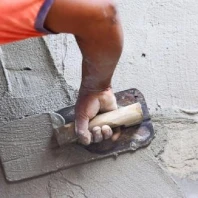
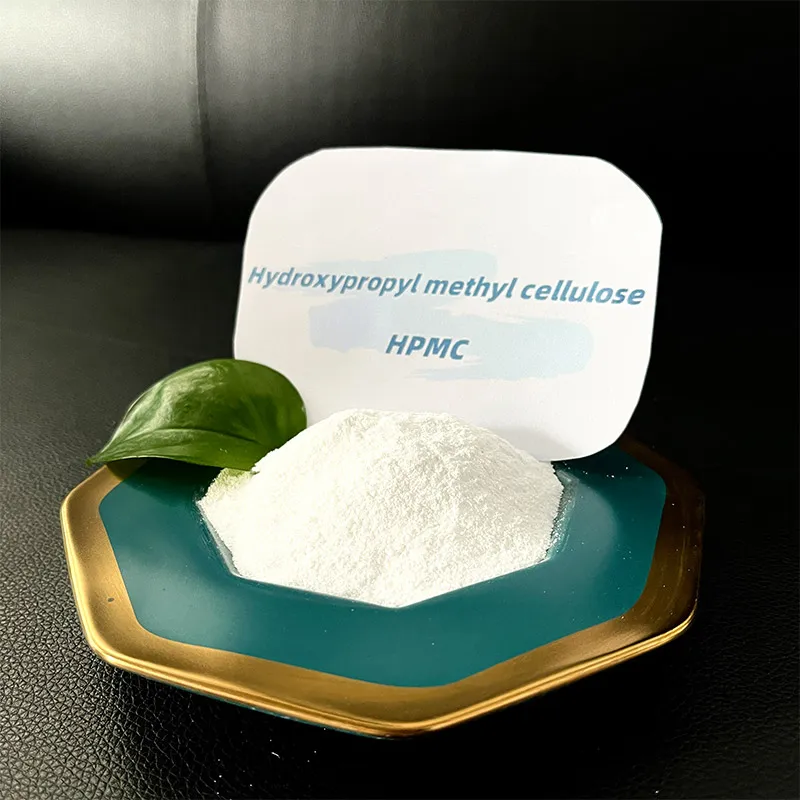
When exploring the vast world of pharmaceutical and construction materials, one cannot ignore the compelling attributes of Hydroxypropyl Methylcellulose (HPMC) and its viscoelastic properties. HPMC is gaining significant attention due to its multifunctional applications and unparalleled performance, making it a material of interest for industries committed to innovation. In pharmaceuticals, HPMC serves as a versatile excipient, acting as a binder, film former, and thickening agent. Its viscoelastic properties enhance the drug formulation's performance by providing controlled release and stability. The polymer matrix created by HPMC in tablet formulations plays a critical role in modulating drug release rates, ensuring that the active ingredient is delivered at the desired rate and dosage. The viscoelastic nature of HPMC allows for remarkable flexibility and resilience in medical formulations. It adapts to different compressional forces during tablet manufacturing, ensuring tablets remain intact during transport and handling while disintegrating appropriately when ingested. This adaptability underscores its reliability, making HPMC a trusted choice for pharmaceutical companies aiming to enhance drug efficacy and patient compliance. Beyond pharmaceuticals, HPMC's journey into the construction arena is equally notable. In dry mix mortar formulations, HPMC functions not only as a thickening agent but also as a water retention component. This dual characteristic is vital for cement-based applications where workability and setting times are crucial for project success. The viscoelastic nature of HPMC improves mortar adhesion and reduces shrinkage, thereby fortifying the structural integrity of constructions. HPMC's ability to retain water is particularly beneficial in enhancing the workability of mortars, preventing premature drying, and ensuring longer open times. For builders and contractors, this translates into ease of application and durability, even under varying climate conditions. Consequently, HPMC is increasingly regarded as an essential ingredient in high-performance construction materials, reflecting its authoritative position within the industry. hpmc viscoelastic The safety and non-toxic attributes of HPMC also contribute to its growing trustworthiness. Recognized by regulatory bodies across the globe, HPMC meets stringent safety standards, whether applied in health-sensitive environments like pharmaceuticals or in eco-conscious construction practices. This universal compliance reinforces HPMC's status as a dependable material, propelling its integration across multiple sectors. Expert insight into HPMC's potential applications indicates that ongoing research and development are further expanding its utility. Innovations in biocompatible and environmentally friendly materials suggest that HPMC’s role will continue to evolve, addressing new challenges in drug delivery systems and sustainable building practices. Such advancements satisfy modern demands for both efficacy and environmental stewardship. Experience_SHARED by industry professionals highlights that selecting high-quality HPMC can significantly impact the final product's performance. Therefore, sourcing from reputable manufacturers ensures consistency in quality and functionality, maximizing the viscoelastic benefits HPMC offers. In conclusion, HPMC's viscoelasticity is not merely a trait but a cornerstone of its application across diverse fields. Its role in enhancing product performance and compliance underscores its significance . As industries advance towards more sophisticated and sustainable solutions, HPMC stands as a testament to material innovation, promising new heights in both pharmaceutical and construction domains. Through its adaptable and reliable characteristics, HPMC will likely remain at the forefront of material selection for years to come.
-
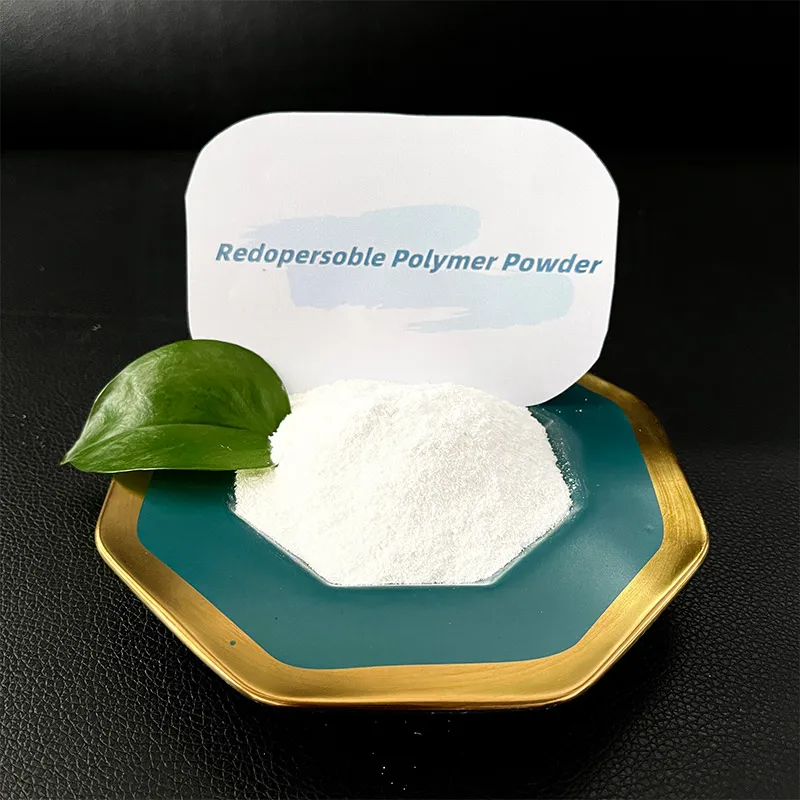
Powder coating rubber might sound like a niche or a novelty in the world of surface finishing, but it has grown to be an innovative solution embraced by experts seeking durability and aesthetic enhancement in rubber products. This process holds particular appeal in industries where the resilience and enhanced performance of rubber parts are crucial. Powder coating, originally used for metals, offers a finish that is both protective and decorative. When applied to rubber, a material known for its flexibility and resilience, the outcome is a unique blend of properties that elevates the function and look of the rubber product while broadening its application potential. Experience tells us that traditional liquid coatings on rubber often face issues related to adhesion and flexibility after curing. However, recent advancements in powder coating technology tailor powders specifically to bind effectively to the rubber substrate, ensuring a robust bond that withstands the flexing and stretching typical of rubber materials. This is achieved through careful surface preparation and the use of specialized primers where necessary, which help in increasing the adhesion properties of the powder to the elastomeric surface. From a professional perspective, the expertise required to powder coat rubber involves understanding both the material science of elastomers and the mechanics of powder coatings. Experts in the field appreciate the technical nuances involved in selecting the right powder composition including heat sensitivity and the ability of the rubber to withstand the curing temperatures often exceeding 300 degrees Fahrenheit. Powder coatings suitable for rubber generally cure at lower temperatures to prevent any degradation of the rubber properties. Applications of powder-coated rubber are expansive . For instance, industrial settings use coated rubber rollers to resist abrasion and chemicals, extending their lifespan significantly, which is an authoritative endorsement of this technique’s capability. Meanwhile, in the automotive sector, manufacturers have experimented with powder coating on rubber components to improve the aesthetics and provide a protective layer that prolongs the service life of critical parts under the hood. powder coating rubber A distinct advantage of powder coating rubber is its environmentally friendly nature compared to its liquid counterparts. This process eliminates solvents, reducing volatile organic compound (VOC) emissions, thereby aligning it with the modern need for green manufacturing processes. The industry’s move towards eco-friendly solutions has earmarked powder coating as a sustainable choice, boosting its credibility as a responsible manufacturing alternative. Additionally, powder-coated rubber offers a trusted solution in terms of wear resistance and lifespan extension. The uniform coating coverage enhances the rubber’s protective qualities, reducing maintenance costs and ensuring reliability over extended use. This not only results in cost savings but also increases the product's competitiveness in the market. For those exploring powder-coated rubber products, witnessing the transformation of a raw rubber substrate into a finished product with a high aesthetic appeal and superior performance can be an eye-opening experience, underscoring the powder coating process's sophistication and effectiveness. Trust in the powder coating process is bolstered by the consistent results delivered across diverse applications and environmental conditions. Robust testing protocols and compliance with industry standards ensure that powder-coated rubber products meet stringent quality benchmarks, further solidifying their place in a variety of industry settings globally. In conclusion, powder coating rubber is a transformative process that combines the essential properties of rubber with the advanced protection and aesthetic possibilities of powder coatings. Its development represents an intersection of experience, expertise, authority, and trustworthiness, offering a compelling narrative for industries committed to high-performance, sustainable solutions. As the technology evolves and becomes more refined, its role in product innovation is set to expand, enabling new horizons in design and functionality.
advantages
-

200000 Viscosities
Excellent product
We can produce pure products up to 200,000 viscosities
-

40000 tons
High yield
We don’t stop production all year round, and the annual output can reach 40,000 tons
-

24 hours
Quality service
We provide 24-hours online reception service, welcome to consult at any time
———— Inquiry Form
Schedule A services
-
 kegunaan_pati_eter
Oct . 25, 2025
HPMC K 100 M, short for Hydroxypropyl Methylcellulose, is a versatile polymer widely used across ind -
 hydroxypropyl_methylcellulose_eye_drops_price
Oct . 25, 2025
Understanding the viscosity of HPMC E5, or Hydroxypropyl Methylcellulose E5, is crucial for industri -
 polypropylene_staple_fiber_for_construction
Oct . 25, 2025
Hydroxyethyl starch (HES) has surged into focus as a powerful tool within the medical and healthcare


